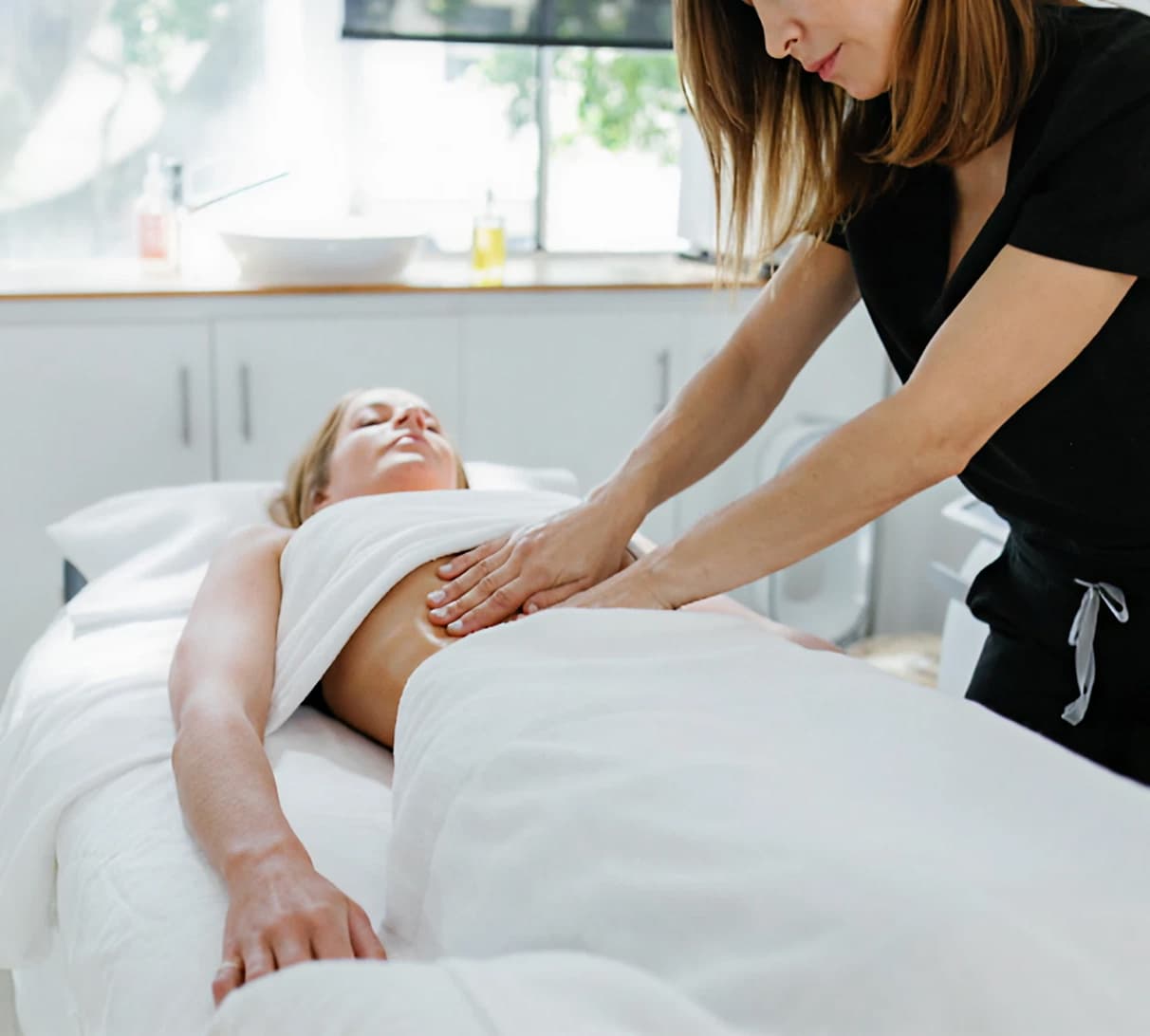
Manual lymphatic drainage has become increasingly well known in the beauty and wellness space, but many people are still unsure how it differs from a regular massage or what a session actually involves. Before booking a session, it helps to understand what the massage can help with and whether it may suit your needs. In this guide, the team at Future Clinic explains what manual lymphatic drainage massage is, how it works and what to expect during and after treatment.
What is manual lymphatic drainage?
Manual lymphatic drainage is a specialised massage technique designed to encourage the movement of lymph fluid through the body. Unlike remedial or deep tissue massage, manual lymphatic drainage massage does not rely on firm pressure or kneading the muscles. It uses gentle, rhythmic and carefully directed movements that lightly stretch the skin along the lymphatic pathways.
How does manual lymphatic drainage work?
The lymphatic system does not have a pump like the heart to move lymph fluid around the body. Instead, it relies on factors such as muscle movement, breathing and the natural contraction of lymph vessels to keep fluid circulating.
Manual lymphatic drainage uses precise, carefully sequenced hand movements to guide lymph towards functioning vessels and lymph nodes. This can support the body’s natural fluid movement and may help reduce congestion in the treated area.
Who may be suitable for manual lymphatic drainage?
Manual lymphatic drainage may be suitable for people who:
- Are recovering from certain cosmetic, reconstructive or medical treatments
- Experience temporary swelling, puffiness or fluid retention
- Have lymphoedema or lipoedema and are receiving care as part of a professionally guided management plan
- Prefer a gentle treatment rather than deep tissue or remedial massage
- Feel heaviness or tightness in selected areas
However, manual lymphatic drainage is not appropriate for everyone. Treatment may need to be avoided or postponed if you have an active infection, a suspected or confirmed blood clot, uncontrolled heart failure, certain kidney conditions or open wounds in the treatment area.
Your practitioner will assess your medical profile and, where necessary, recommend that you seek clearance from your treating healthcare professional before proceeding.
What to expect after manual lymphatic drainage massage
Most people can return to their usual activities after manual lymphatic drainage, although your practitioner may recommend taking it easy for the rest of the day depending on your individual circumstances. Aftercare may include:
- Staying well hydrated throughout the day
- Limiting alcohol and caffeine for the first 24 hours, as both can contribute to dehydration
- Avoiding excessive heat, such as hot baths, saunas or steam rooms, if advised by your practitioner
Some people feel deeply relaxed after treatment, while others may notice temporary tiredness or an increased need to urinate. Your experience may vary depending on the reason for treatment and the areas treated, so it is important to follow your practitioner’s aftercare advice and contact the clinic if you have any concerns.
How long does a session take?
A manual lymphatic drainage massage may last between 45 and 60 minutes. A shorter, targeted treatment may take around 30 minutes, while a full-body session or more complex lymphoedema care may take up to 90 minutes. Your practitioner will suggest the most appropriate session length based on the areas being treated and your individual needs.
How many sessions will I need?
Manual lymphatic drainage treatments depend on your goal. Post-surgery recovery typically requires 2 to 3 sessions per week for the first few weeks. Chronic swelling or lymphoedema needs an intensive phase of 2 to 5 sessions weekly for up to 6 weeks, while general wellness requires only one session every 3 to 4 weeks.
When will I start seeing results?
Some people notice early changes, such as reduced puffiness or a lighter feeling in the treated area, within a few hours to 24 hours after their first session. More noticeable or longer-lasting changes, particularly for post-surgical swelling or chronic oedema, may require a series of consistent treatments. Your practitioner will explain what timeline is realistic based on the reason for treatment and how your body responds.
Discover whether manual lymphatic drainage in Sydney is right for you
Whether you are exploring manual lymphatic drainage for post-treatment support or general wellbeing, it can be a valuable addition to a broader care plan when performed safely and properly. At Future Clinic, treatments are delivered using the Vodder method and tailored to your individual needs.
Depending on your concerns, manual lymphatic drainage may also sit alongside other bespoke face or body treatments as part of a more comprehensive approach. You can also explore our blog for further treatment guidance or browse our online shop for targeted skincare and wellness products.
Ultraformer MPT is the latest ultrasound device drawing attention in the world of non-surgical skin tightening and contouring. As interest grows, so do questions about what it does and what the treatment experience may involve. Understanding these details can help you decide whether it aligns with your concerns and expectations. In this guide, Future Clinic explains how Ultraformer MPT works and what to expect during your first session.
What is Ultraformer MPT?
Ultraformer MPT is the latest generation of the Ultraformer device, developed by Korean medical aesthetics company CLASSYS. The name MPT stands for Micro-Pulsed Technology, referring to the way the system can deliver focused ultrasound energy in rapid, precise pulses. It uses a selection of micro- and macro-focused ultrasound cartridges to reach different tissue depths and areas of the face and body.
The device is commonly used for non-surgical facial lifting, skin tightening and body contouring. Because its cartridges and settings can be adjusted, practitioners can tailor each treatment to the area being addressed and the client’s individual cosmetic goals.
How does Ultraformer MPT work?
Ultraformer MPT delivers focused ultrasound energy beneath the surface of the skin, where it creates controlled points of heat within the targeted tissue. This thermal response stimulates the body’s natural repair processes, including the production and remodelling of collagen.
As collagen gradually rebuilds, the treated area may appear firmer, tighter and more defined. The process continues after the appointment, which means results generally develop over the following weeks and months rather than appearing all at once.
Who may be suitable for Ultraformer MPT?
Skin tightening through Ultraformer MPT may be recommended for people who:
- Have mild to moderate skin laxity
- Want to improve definition or firmness around the eyelids, cheeks, jawline, face or neck
- Are concerned about fine lines or a gradual loss of firmness
- Want to contour selected areas of the body, such as the abdomen, arms or thighs
- Prefer a non-surgical treatment with minimal downtime
However, suitability depends on factors such as your skin condition, medical history, previous treatments and expectations. Ultraformer MPT treatments may not be appropriate for people with certain health conditions, active skin infections or wounds in the treatment area or certain implanted medical devices.
What to expect before and after Ultraformer MPT skin tightening
Before the treatment
Your Ultraformer MPT session will begin with a consultation to check whether the treatment is appropriate for you. Your practitioner will assess the areas you would like to address, review your medical profile and discuss your concerns, previous treatments and expectations.
During the treatment
- The area will be cleansed, and ultrasound gel will be applied to help the handpiece move smoothly across the skin.
- Your practitioner will position the handpiece over the selected areas and deliver ultrasound energy beneath the skin.
- You may feel warmth, tingling or brief pulses of discomfort, particularly around more sensitive or bony areas.
- The settings may be adjusted throughout the session according to the treatment area and your comfort.
- Once the treatment is over, the gel will be removed and your practitioner will explain any recommended aftercare.
- The entire treatment is generally tolerable, causing only mild warmth, tingling or a deep prickling sensation rather than sharp pain.
After the treatment
Ultraformer MPT generally requires little to no downtime, so most people can return to their usual activities after the appointment. However, you may experience temporary side effects, including:
- Mild redness
- Slight swelling
- Tenderness or sensitivity
- Tingling or a warm sensation
- Mild bruising in some areas
These effects are usually short-lived, although the experience can vary depending on the treatment area, energy settings and individual sensitivity. Your practitioner will explain what is normal and when to contact the clinic if you experience anything unexpected.
Aftercare may involve:
- Treating the area gently for the first few days
- Avoiding excessive heat, strenuous exercise or facial massage if advised
- Applying broad-spectrum sunscreen to exposed areas
- Avoiding strong exfoliants or active skincare ingredients if the skin feels sensitive
- Following any personalised instructions provided by your practitioner
Contact Future Clinic to learn more about Ultraformer MPT in Sydney
No two faces or bodies respond to cosmetic treatments in exactly the same way, which is why Ultraformer MPT should never be approached as a one-size-fits-all solution. At Future Clinic, we take the time to learn your aesthetic goals, evaluate your treatment suitability and create a bespoke plan.
Book a consultation with us today to learn more about Ultraformer MPT in Sydney or our wider range of bespoke face and body treatments. You can also visit our blog for beauty and wellness tips or browse our online shop for professionally selected skincare products.

Modern skin clinics in Sydney are no longer limited to traditional facials. Many now combine in-depth consultations, advanced technologies and custom face and body treatments within one setting. With so many options available, however, it can be difficult to know which treatment suits your needs. In this guide, Future Clinic explores the most popular treatments available at skin clinics today and the cosmetic goals they’re designed to support.
Personalised facials
Modern facials are no longer limited to a standard cleanse and mask. They can now be tailored to specific skin concerns, treatment goals and levels of sensitivity. Some facials take a more precise approach through exfoliation, infusion, massage or device-assisted care.
Facials may suit people experiencing:
- Dryness or dehydration
- Sensitivity or visible irritation
- Oily or congested skin
- Dullness or uneven texture
Future Clinic offers bespoke facials alongside Janssen Cosmetics, Synthesis Organics, IDENEL Glassifier and WISHPro treatments. Depending on your needs, your practitioner may suggest a gentle, hydration-focused treatment or a targeted approach for congestion, pigmentation or visible signs of ageing.
Skin boosters
Skin boosters are advanced treatments that deliver hyaluronic acid, GHK peptide, PDRN and other active ingredients beneath the skin’s surface. Unlike traditional fillers that add volume or reshape specific areas, they focus on delivering deep hydration and supporting collagen and elastin production to improve overall skin quality, suppleness and texture.
These treatments may suit people who want to:
- Improve rough or uneven-looking skin texture
- Restore a plumper, more supple appearance to dry skin
- Refresh skin that appears dull, tired or lacklustre
- Support elasticity as the skin begins to show early signs of ageing
Peels and resurfacing treatments
Peels and resurfacing treatments remove or renew damaged outer layers of skin to support a clearer, smoother and more even-looking complexion. Chemical peels use carefully selected acids to exfoliate the skin at a controlled depth, while treatments such as Alma Pixel CO2 create precise microchannels that encourage a deeper renewal response.
Depending on the technique and treatment intensity, these options may help improve the appearance of pigmentation, sun damage, congestion, enlarged-looking pores, uneven texture, fine lines and selected scars. Lighter treatments are generally suited to surface-level concerns and gradual maintenance, while more intensive resurfacing may be considered for deeper textural changes or more established discolouration.
Non-surgical facial lifting and firming
Modern skin clinics in Sydney may use ultrasound and radiofrequency technologies to address mild to moderate skin laxity without surgery. At Future Clinic, these options include Ultraformer MPT and INDIBA Face.
Ultraformer MPT uses focused ultrasound energy at selected tissue depths. It may be considered by people seeking gradual lifting or greater definition around areas such as the face, jawline and neck. INDIBA Face uses radiofrequency technology and may be incorporated into a plan focused on facial firmness, skin quality and definition.
Body contouring and skin tightening
Stubborn fat can remain in areas such as the abdomen, waist, flanks, thighs, arms and under the chin, even with regular diet and exercise. Modern non-invasive body contouring treatments use different technologies to target these localised fat deposits without the need for surgery.
Future Clinic offers body contouring technologies including:
- INDIBA body contouring
- Ultraformer MPT
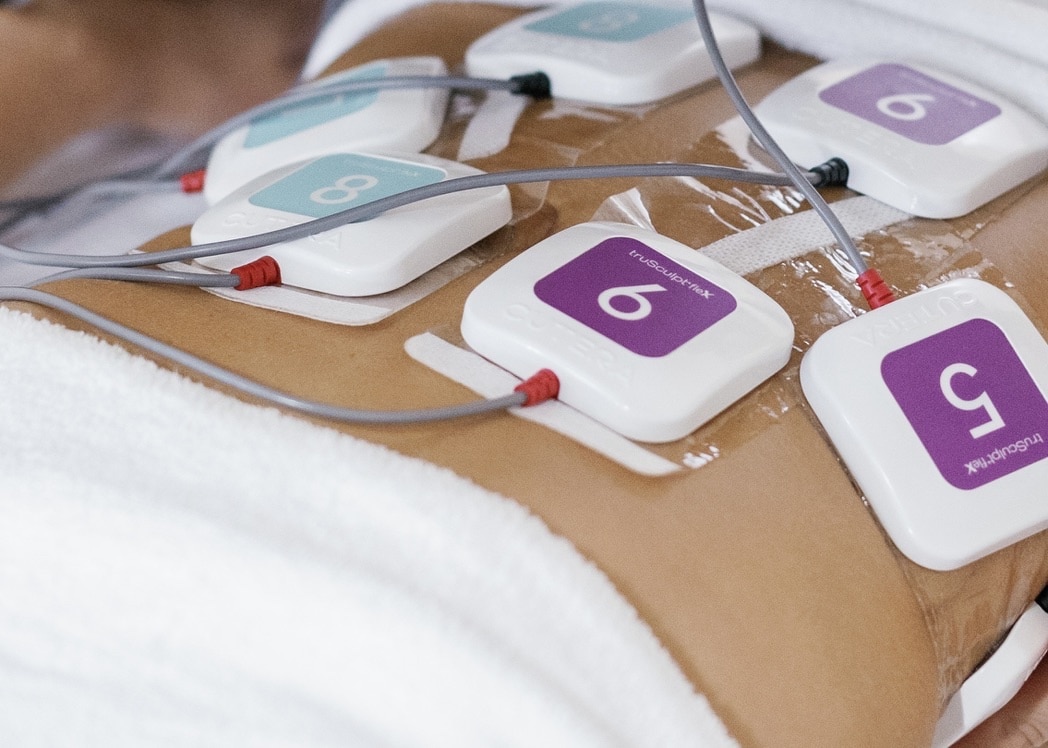
- truFlex
- Alma CO2
These technologies may use radiofrequency, focused ultrasound, muscle stimulation or fractional resurfacing to support tightening and improvements in skin texture. Based on your body composition and target areas, your practitioner may recommend a single treatment or a combination of approaches.
Manual lymphatic drainage and post-operative support
Advanced skin clinics may also offer hands-on and technology-led treatments to support recovery after selected procedures. These services can include Vodder Manual Lymphatic Drainage and INDIBA, depending on the client’s needs and stage of recovery.
Manual lymphatic drainage uses light, carefully directed movements along the body’s lymphatic pathways and may be considered for temporary swelling, fluid retention or feelings of heaviness. INDIBA may also be incorporated into a recovery plan to support circulation and minimise swelling.
Medical clearance may be required following surgery or when an underlying health condition is present. Treatment should be coordinated with your healthcare provider where appropriate.
Experience premium and bespoke treatments at our skin clinic in Sydney CBD
The right treatment is not always the most advanced or popular option, but the one that aligns with your individual aesthetic goals. The best skin clinics in Sydney begin with an in-depth consultation to help you compare treatment options, set realistic expectations and benefit from a personalised treatment plan.
At Future Clinic, advanced technology sits alongside thoughtful care, creating a more connected approach to skin, face and body treatments. Book an initial consultation with us to discuss your needs and get professional advice.
For more skincare and wellness insights, feel free to visit our blog or explore our online shop for products that can complement your at-home beauty routine.
So you’ve committed to a skincare routine. You bought luxe products, followed advice online and stayed consistent, yet you’re still not getting the results you want. If this sounds familiar, you’re not alone. In many cases, it’s not a lack of effort that’s holding you back. It’s a lack of clarity around what your skin truly needs.
In this guide, the team at the Future skin clinic in Double Bay explains why at-home routines can fall short without professional insight. Discover how a more personalised, clinically guided approach can support clearer, healthier-looking skin.
Common reasons your skincare routine isn’t delivering results
Skincare routines don’t always deliver the results you expect, and the reason isn’t always obvious. Here are some of the most common factors at play.

You’re treating symptoms, not the cause
Many skincare routines are built around visible concerns like breakouts, dryness or pigmentation without fully understanding the underlying mechanisms driving them.
Acne, for example, is often treated as excess oil production, yet it may also be influenced by hormonal fluctuations, inflammation or follicular congestion. Redness is frequently assumed to be sensitivity, when it can instead indicate a compromised skin barrier. Pigmentation may also originate deeper within the epidermis or dermis, making it less responsive to topical treatments alone.
Without identifying the root cause, treatments may only provide temporary or partial improvement.
You’re mixing too many active ingredients
The increasing availability of active ingredients has made it easier to build complex routines, but not necessarily more effective ones. Combining exfoliating acids (such as AHAs or BHAs), retinoids and other actives can overwhelm the skin and cause them to counteract each other. Using strong formulas without proper guidance may also disrupt the skin barrier, which is key to maintaining hydration and protecting against external irritants. Rather than accelerating results, overuse of actives can slow progress by placing the skin in a constant state of repair.
You’re not giving your routine enough time to work
For skincare to deliver meaningful results, it requires consistency over an appropriate period of time. Frequently skipping applications or changing products too quickly can disrupt progress and make it difficult to assess what is working.
The skin follows a natural renewal cycle, generally around 28 days, and longer in more mature skin. Many active ingredients, including retinoids and exfoliating acids, require sustained use over several weeks to support visible change. Initial improvements may be seen within 3–4 weeks, while more noticeable results can take up to 12 weeks or longer.
Your skin barrier is compromised
The skin barrier plays a critical role in maintaining hydration and protecting against external irritants. When it is impaired, often through over-cleansing, excessive exfoliation or the use of multiple active ingredients, the skin becomes more vulnerable.
This disruption can lead to increased transepidermal water loss (TEWL), resulting in dryness, sensitivity and inflammation. In some cases, it may also contribute to breakouts, as the skin’s natural balance is affected.
Supporting barrier function is essential before more targeted concerns can be effectively addressed.
You’re using the wrong products for your skin type
Effective skincare relies on selecting formulations that are suited to both your skin type and current condition. Using products that are too rich, too active or not appropriately targeted can limit results or exacerbate existing concerns.
For example, heavier formulations may contribute to congestion in some skin types, while lightweight products may not provide sufficient support for dryness or barrier repair. As skin needs can change over time, product selection should be reviewed and adjusted accordingly.
You’re not adapting your routine to the environment
The skin is highly responsive to changes in climate, with shifts in temperature and humidity influencing hydration levels, oil production and overall skin behaviour.
During cooler months, the skin often requires additional hydration and support to maintain barrier function, while warmer conditions typically call for lighter formulations and greater oil control. Adjusting your skincare routine to align with seasonal changes helps maintain a healthy, radiant complexion year-round.
Why visiting a skin clinic can lead to better skincare outcomes
Here’s how professional guidance can bring structure and clarity to your skincare routine:
A thorough understanding of your skin
Many skincare regimens fall short due to misdiagnosis. A comprehensive assessment in a skin and body wellness clinic helps pinpoint the root causes of your concerns, allowing for a more precise and intentional approach. This includes evaluating factors such as:
- Skin type and current condition
- Barrier function and sensitivity
- Lifestyle, hormonal influences, environmental factors and medical history
Rather than relying on trial and error, each step of your skincare routine is guided by your individual goals and requirements. This helps minimise unnecessary spending while reducing the risk of irritation or imbalance.
Access to advanced treatments
In-clinic face and body treatments allow for a level of precision and depth that topical products alone cannot achieve. These treatments are designed to work in alignment with your routine, enhancing product penetration, supporting cellular turnover and improving how the skin functions over time. This often leads to more predictable, sustained improvements rather than short-term or fluctuating results.
Depending on your skin’s needs, this may include:
- Facials and chemical peels that may help accelerate cell turnover and refine skin texture and tone
- Skin boosters that may boost hydration and cellular repair
- LED light therapy to help calm redness and support skin recovery
- Skin needling and energy-based technologies that may stimulate collagen remodelling, potentially improving firmness and overall skin integrity
Ongoing guidance and support
Skin is constantly influenced by internal and external factors. Ongoing consultations at a skin and body wellness clinic allow for regular assessment and refinement, ensuring your routine remains aligned with your skin’s current condition.
Book a consultation at our skin clinic in Double Bay
If your routine has reached a point where progress feels limited or uncertain, a professional perspective can help reset your strategy.
At Future Clinic Modern Beauty, we recognise that each individual’s skin behaves and responds differently. With over 30 years of experience in skincare and body contouring, we combine advanced technologies, aesthetic expertise and a holistic approach to self-care.
We provide in-depth consultations to determine which treatments may be suitable for your skin, alongside tailored aftercare and product recommendations to support sustainable outcomes. Get in touch with us today and begin a more intentional journey towards glowing skin.


