As interest in non-invasive radiofrequency treatments grows, INDIBA is standing out for more than one reason. Its use across aesthetic care, body contouring and recovery has made it an increasingly versatile option. Knowing the science behind this technology can help you approach the treatment with clearer and more realistic expectations. In this guide, Future Clinic explains how INDIBA treatment works and what to expect before, during and after your session.
Behind the treatment: what is 448 kHz radiofrequency technology?
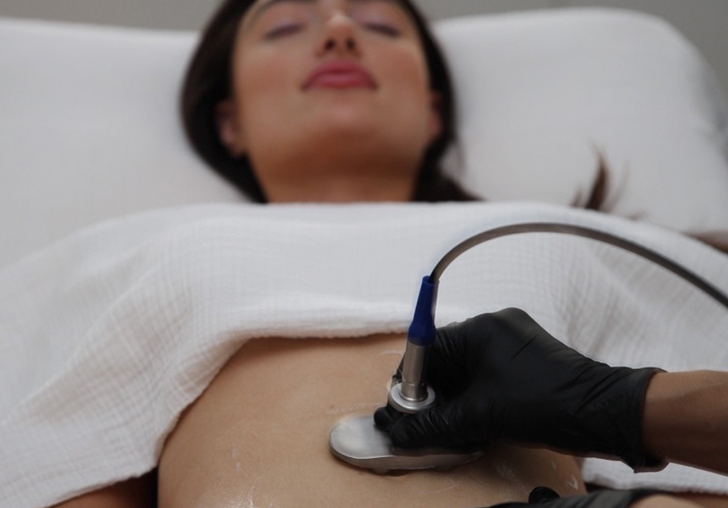
To understand INDIBA treatment, you first need to understand the technology behind it. At its core is a fixed 448 kHz radiofrequency, which allows the device to deliver controlled energy into the tissue. During a session, this energy moves between a handheld electrode and a return plate positioned on the body.
Rather than treating the skin’s surface, the radiofrequency works within the underlying tissue. As the energy passes through the treatment area, it creates a controlled biological response that practitioners can tailor according to the treatment objective.
Research into 448 kHz radiofrequency suggests that, depending on the temperature and settings used, it may support cell regeneration, pain relief, reduced inflammation, improved circulation, skin tightening and body contouring. However, these effects vary according to the condition being treated, the protocol used and the individual response.
What is INDIBA treatment?
An INDIBA treatment is a non-surgical radiofrequency therapy that may be used to address concerns such as reduced firmness, uneven texture, cellulite or localised areas that are resistant to diet and exercise. It may also be incorporated into broader recovery or post-treatment plans where appropriate. The treatment can be used on both the face and body, with common areas including the abdomen, thighs, arms, flanks, buttocks, jawline and under the chin.
Who may be suitable for INDIBA treatment?
INDIBA treatment may be suitable for people who:
- Prefer a treatment option that doesn’t involve anaesthesia, incisions or extensive downtime
- Want a treatment that can be adapted across different facial or body areas
- Want to address the appearance of cellulite, mild to moderate skin laxity or uneven texture
- Have realistic expectations about the number of sessions and level of improvement involved
However, INDIBA body contouring may need to be avoided or postponed during pregnancy, if you have a pacemaker or another implanted electronic device, an active infection, open wounds, a suspected blood clot or certain cardiovascular conditions.
During your initial consultation, your practitioner will review your medical history, recent procedures and treatment goals before deciding whether INDIBA is appropriate for you.
What to expect during and after INDIBA treatment
During treatment
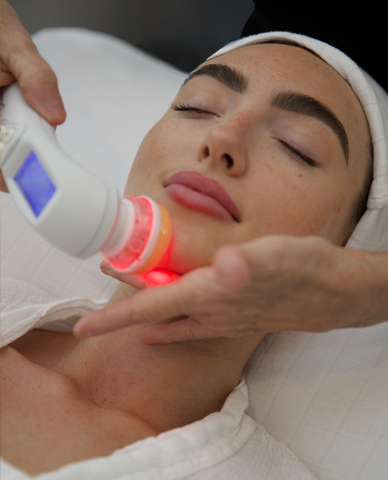
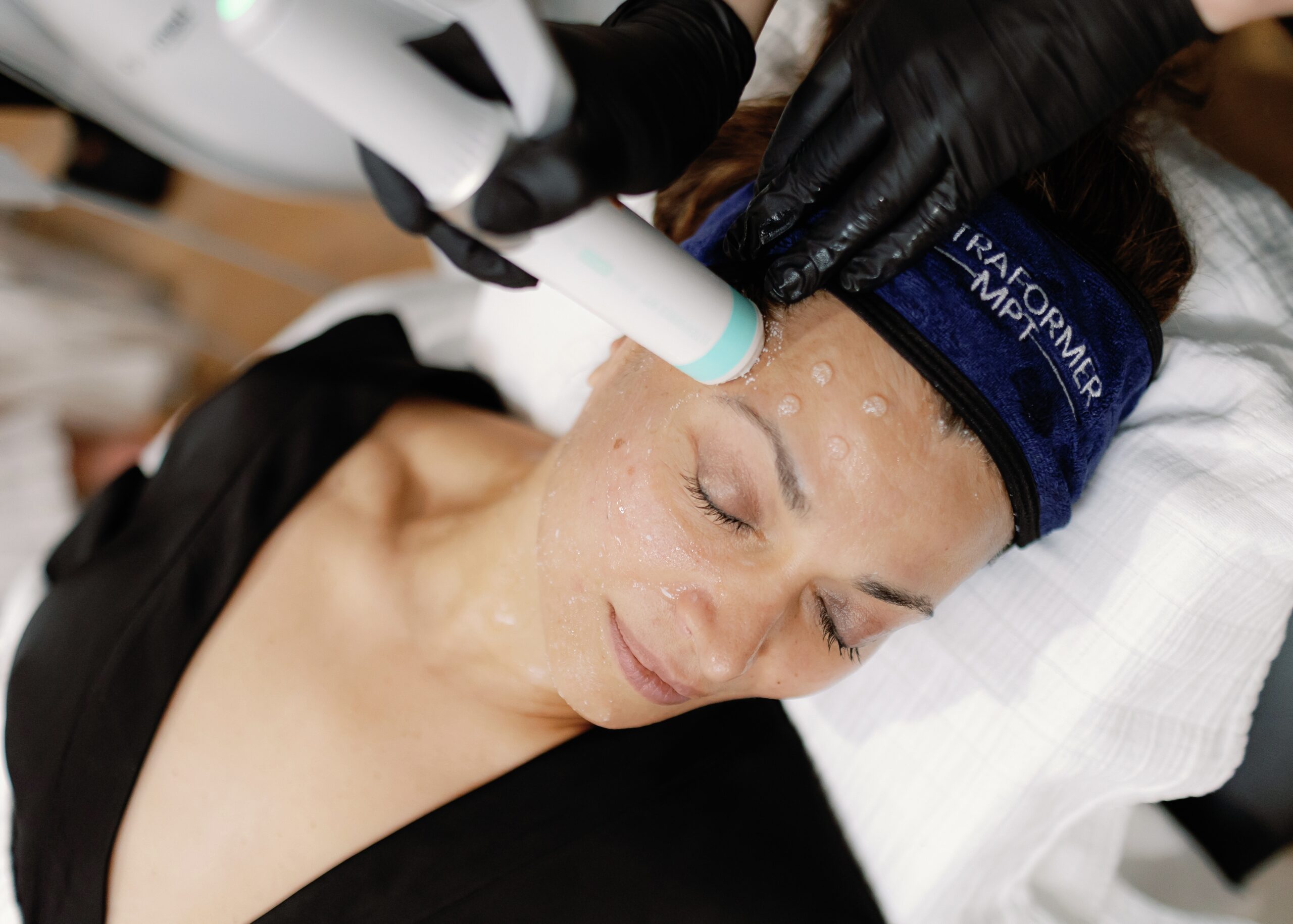
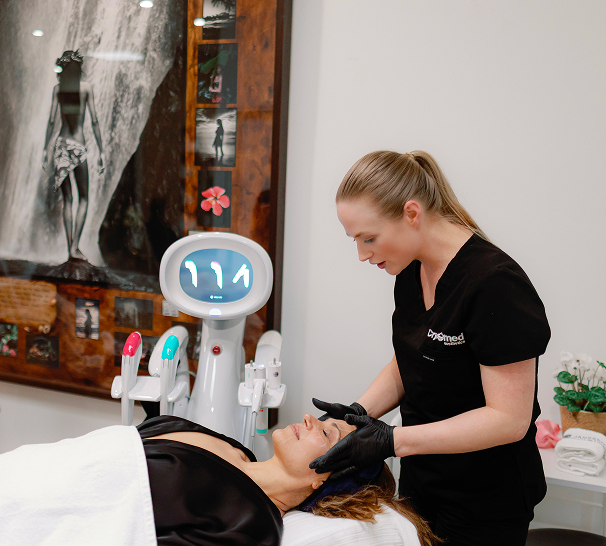
Conductive cream will be applied to the treatment area, and a return plate will be positioned on the body. Your practitioner will then move a handheld applicator across the skin using slow, controlled movements. The session involves no needles, incisions or anaesthesia, and the intensity can be adjusted throughout according to your comfort and the intended treatment outcome.
After treatment
Most people can return to their usual activities shortly after INDIBA treatment. The treated area may feel warm or appear mildly flushed for a short time, and temporary tenderness or sensitivity may also occur. Recommended aftercare may include:
- Staying well hydrated throughout the day.
- Avoiding direct, intense sun exposure for at least 24 hours and applying broad-spectrum sunscreen to exposed areas.
- Avoiding active skincare ingredients, such as AHAs, BHAs and retinoids, until the skin has settled.
- Staying away from saunas, steam rooms and very hot showers for the rest of the day.
- Treating the area gently and avoiding aggressive scrubbing, firm massage or tight clothing over body-contouring areas.
- Following any personalised instructions provided by your practitioner.
What are the limitations of INDIBA treatment?
Results of INDIBA treatment vary from person to person, and a series of sessions may be needed before more noticeable changes develop.
It is also important to keep in mind that:
- INDIBA body contouring is not a weight-loss treatment.
- It cannot replace surgery where significant skin laxity or tissue changes are present.
- Results may be gradual rather than immediate.
- Outcomes depend on factors such as the treatment area, skin condition, lifestyle and individual response.
- INDIBA should form part of a comprehensive treatment plan rather than be viewed as a quick fix.
Book a consultation for INDIBA body contouring
Whether you’re looking to refine your contours, address skin laxity or soften the appearance of cellulite, INDIBA offers a science-backed approach to supporting your cosmetic goals. At Future Clinic, we offer personalised consultations to help you understand whether INDIBA is a suitable option for your concerns.
Depending on your aesthetic goals, you may also consider our bespoke face and body treatments as part of a broader, personalised plan. For more information about available treatments and skin health, visit our blog or explore our online shop for premium wellness products.