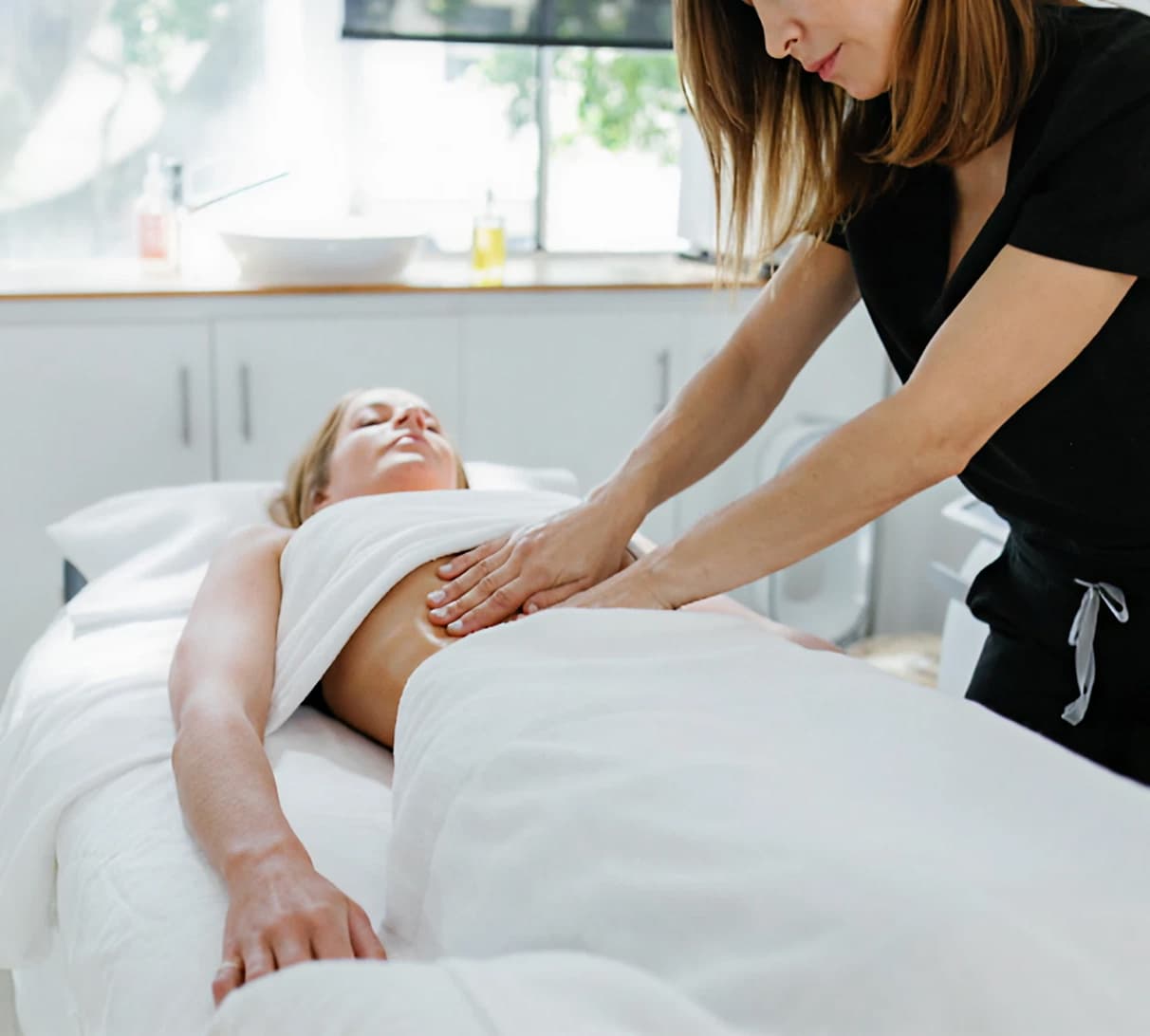
Manual lymphatic drainage has become increasingly well known in the beauty and wellness space, but many people are still unsure how it differs from a regular massage or what a session actually involves. Before booking a session, it helps to understand what the massage can help with and whether it may suit your needs. In this guide, the team at Future Clinic explains what manual lymphatic drainage massage is, how it works and what to expect during and after treatment.
What is manual lymphatic drainage?
Manual lymphatic drainage is a specialised massage technique designed to encourage the movement of lymph fluid through the body. Unlike remedial or deep tissue massage, manual lymphatic drainage massage does not rely on firm pressure or kneading the muscles. It uses gentle, rhythmic and carefully directed movements that lightly stretch the skin along the lymphatic pathways.
How does manual lymphatic drainage work?
The lymphatic system does not have a pump like the heart to move lymph fluid around the body. Instead, it relies on factors such as muscle movement, breathing and the natural contraction of lymph vessels to keep fluid circulating.
Manual lymphatic drainage uses precise, carefully sequenced hand movements to guide lymph towards functioning vessels and lymph nodes. This can support the body’s natural fluid movement and may help reduce congestion in the treated area.
Who may be suitable for manual lymphatic drainage?
Manual lymphatic drainage may be suitable for people who:
- Are recovering from certain cosmetic, reconstructive or medical treatments
- Experience temporary swelling, puffiness or fluid retention
- Have lymphoedema or lipoedema and are receiving care as part of a professionally guided management plan
- Prefer a gentle treatment rather than deep tissue or remedial massage
- Feel heaviness or tightness in selected areas
However, manual lymphatic drainage is not appropriate for everyone. Treatment may need to be avoided or postponed if you have an active infection, a suspected or confirmed blood clot, uncontrolled heart failure, certain kidney conditions or open wounds in the treatment area.
Your practitioner will assess your medical profile and, where necessary, recommend that you seek clearance from your treating healthcare professional before proceeding.
What to expect after manual lymphatic drainage massage
Most people can return to their usual activities after manual lymphatic drainage, although your practitioner may recommend taking it easy for the rest of the day depending on your individual circumstances. Aftercare may include:
- Staying well hydrated throughout the day
- Limiting alcohol and caffeine for the first 24 hours, as both can contribute to dehydration
- Avoiding excessive heat, such as hot baths, saunas or steam rooms, if advised by your practitioner
Some people feel deeply relaxed after treatment, while others may notice temporary tiredness or an increased need to urinate. Your experience may vary depending on the reason for treatment and the areas treated, so it is important to follow your practitioner’s aftercare advice and contact the clinic if you have any concerns.
How long does a session take?
A manual lymphatic drainage massage may last between 45 and 60 minutes. A shorter, targeted treatment may take around 30 minutes, while a full-body session or more complex lymphoedema care may take up to 90 minutes. Your practitioner will suggest the most appropriate session length based on the areas being treated and your individual needs.
How many sessions will I need?
Manual lymphatic drainage treatments depend on your goal. Post-surgery recovery typically requires 2 to 3 sessions per week for the first few weeks. Chronic swelling or lymphoedema needs an intensive phase of 2 to 5 sessions weekly for up to 6 weeks, while general wellness requires only one session every 3 to 4 weeks.
When will I start seeing results?
Some people notice early changes, such as reduced puffiness or a lighter feeling in the treated area, within a few hours to 24 hours after their first session. More noticeable or longer-lasting changes, particularly for post-surgical swelling or chronic oedema, may require a series of consistent treatments. Your practitioner will explain what timeline is realistic based on the reason for treatment and how your body responds.
Discover whether manual lymphatic drainage in Sydney is right for you
Whether you are exploring manual lymphatic drainage for post-treatment support or general wellbeing, it can be a valuable addition to a broader care plan when performed safely and properly. At Future Clinic, treatments are delivered using the Vodder method and tailored to your individual needs.
Depending on your concerns, manual lymphatic drainage may also sit alongside other bespoke face or body treatments as part of a more comprehensive approach. You can also explore our blog for further treatment guidance or browse our online shop for targeted skincare and wellness products.


